

Hanoi, a city where ancient traditions collide with bustling modern life, finds its beating heart in the historic Hanoi Old Quarter. Known locally as Phố Cổ Hà Nội, this vibrant neighborhood boasts over a thousand years of history. It serves as a living museum of French-colonial architecture, traditional guild streets, and world-class culinary heritage.
Whether you are navigating the labyrinth of scooter-filled alleys or looking for hidden courtyard cafes, this neighborhood offers an unforgettable sensory experience. This definitive guide delivers historical insights, maps, itineraries, and insider tips to help you maximize your exploration of Hanoi’s most iconic district.
HANOI OLD QUARTER: THE ULTIMATE TRAVEL GUIDE TO THE HEART OF VIETNAM’S CAPITAL
Part 1: History and the Layout of the 36 Ancient Streets
To truly appreciate the things to do in Hanoi Old Quarter, you must first understand its fascinating architectural and economic layout.
The Origins of the 36 Streets
The origins of the Old Quarter dates back to the 11th century when King Ly Thai To moved the nation’s capital to Thang Long (modern-day Hanoi). Artisans, craftsmen, and traders from nearby rural villages began clustering around the imperial palace to sell their wares. Over time, these traders organized themselves into specific guilds.
Each of the 36 streets in the area was named after the specific craft or product traded there. The street names always begin with the word “Hàng” (meaning merchandise or shop), followed by the product name:
- Hàng Bạc: Silver and jewelry sellers.
- Hàng Mã: Votive paper ornaments and colorful festival decorations.
- Hàng Đường: Sugar, sweets, and candied fruits.
- Hàng Thiếc: Tin and blacksmith products.
While many streets have modernized their inventories, several lines still maintain their centuries-old trades. Walking down Hang Thiec today, you will still hear the rhythmic clanging of metal hammers on tin sheets.
Unique Tube House Architecture
As you explore, observe the distinct layout of the historic buildings. Due to ancient royal tax laws that taxed properties based on their street frontage width, residents built incredibly narrow yet elongated homes. These are known as Tube Houses (Nhà ống).
A typical tube house may only be 2 to 4 meters wide but can stretch up to 60 meters deep. They often feature internal open-air courtyards to bring sunlight and fresh air into the middle sections of the home. Many of these structures display an architectural blend, featuring traditional Vietnamese tiled roofs over bright yellow French-colonial facades and green shuttered windows.
Part 2: Essential Hanoi Old Quarter Map and Orientation
Understanding the geography of the district will prevent you from getting lost in the chaotic grid.
Visual Geography of the District
+-------------------------------------------------------------+

|                     WEST LAKE (HỒ TÂY)                      |
|                             |                               |
|                             v                               |
|               +-----------------------------+               |
|               |      DONG XUAN MARKET       |               |
|               +-----------------------------+               |
|                             |                               |
|   +------------------+      |      +--------------------+   |
|   |  TRAIN STREET    | <--- + ---> |  TA HIEN BEER ST.  |   |
|   +------------------+      |      +--------------------+   |
|                             |                               |
|                             v                               |
|               +-----------------------------+               |
|               |       HOAN KIEM LAKE        |               |
|               +-----------------------------+               |
+-------------------------------------------------------------+
The neighborhood occupies a prime location just north and west of Hoan Kiem Lake. It is bordered by the historic Long Bien Bridge to the east, the ancient citadel walls to the west, and Hang Dau Street to the north.
Key Navigation Landmarks
- The Northern Anchor: Dong Xuan Market dominates the northern boundary. It is an excellent landmark to reorient yourself if you lose your bearings.
- The Southern Anchor: Hoan Kiem Lake forms the southern baseline. Walking toward the open water will bring you right out of the dense alleyways.
- The Eastern Dining Hub: Nguyen Huu Huan Street runs down the eastern side and is famous for café hopping and local street eats.
Part 3: Top Hanoi Old Quarter Attractions
This square kilometer is packed with cultural, religious, and historical architecture. Make sure to cross these essential Hanoi Old Quarter attractions off your travel bucket list:
1. Hoan Kiem Lake (Lake of the Restored Sword)
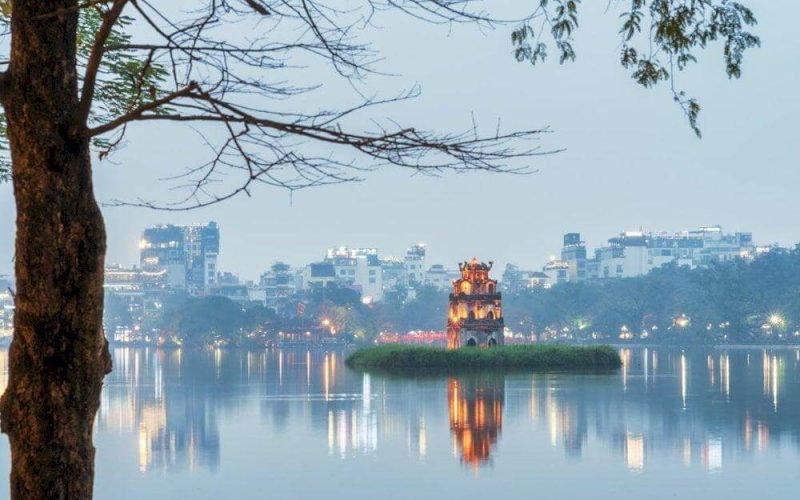
Serving as the spiritual anchor of the city, this peaceful lake is deeply tied to local legends. According to folklore, Emperor Ly Thai To was given a magical sword by a golden turtle god to fight foreign invaders. After securing peace, a giant turtle surfaced here to reclaim the sword, giving the lake its name.
- The Huc Bridge: Walk across the famous wooden bridge, painted a brilliant crimson color, which symbolizes the rays of the welcoming morning sun.
- Ngoc Son Temple: Situated on a small island in the lake, this temple honors ancient scholars and military hero Tran Hung Dao. Inside, look at the large preserved specimen of a giant turtle that once inhabited these waters.
2. Dong Xuan Market
Built by French administrators in 1889, Dong Xuan Market is the largest indoor wholesale market in Hanoi. The monumental three-story Soviet-style building is packed with hundreds of stalls.
- Ground Floor: Whirring stalls packed with local electronics, luggage, and household goods.
- Second Floor: A massive sea of wholesale fabrics, clothing, and traditional textiles.
- The Wet Market Section: Tucked behind the main building, watch locals trade fresh seafood, regional vegetables, and aromatic spices.
3. St. Joseph’s Cathedral
Constructed by the French colonial government in 1886, this dramatic Neo-Gothic cathedral mimics the design of Notre-Dame de Paris. The exterior displays weathered, dark gray stone walls that add a stark European look to the Asian cityscape. The surrounding courtyard plaza is a popular gathering place for local youths who lounge on plastic stools, sip iced tea, and socialise under the shadow of the twin bell towers.
4. The Ancient House (87 Ma May Street)
To view what life looked like for an affluent 19th-century merchant family, step inside this beautifully restored heritage home. The house showcases classic tube-house architecture, featuring antique wooden furniture, ancestral altars, and traditional ceramic storage vessels arranged around a peaceful inner lightwell courtyard.
Part 4: The Ultimate Hanoi Old Quarter Walking Tour Itinerary
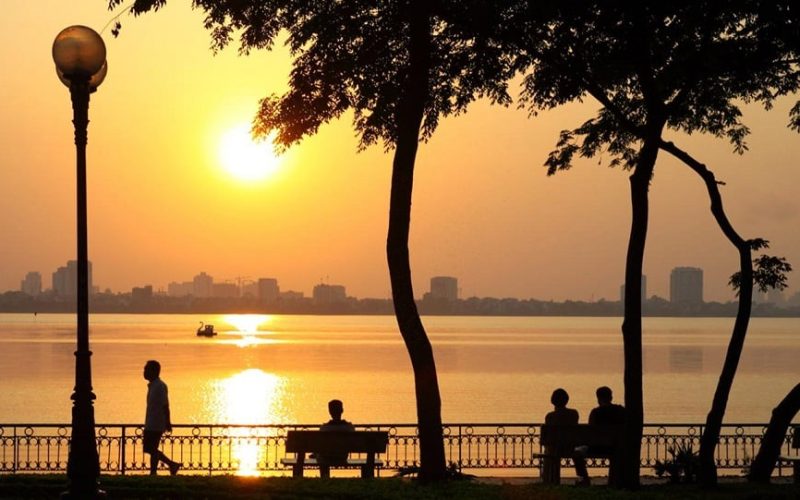
The absolute best way to experience the energy of the area is on foot. This self-guided Hanoi Old Quarter walking tour maps out a highly efficient loop that covers key sights, historical spots, and great food pitstops.
Phase 1: Lakeside Mornings & Artisan Alleys
- 8:00 AM – Start at Hoan Kiem Lake: Arrive early to experience the lake at its most peaceful. Watch elderly residents practicing Tai Chi, aerobics, and traditional ballroom dancing along the water’s edge.
- 9:00 AM – The Huc Bridge & Ngoc Son Temple: Cross the red bridge to explore the island temple. The early morning light hitting the temple gates offers spectacular photo opportunities.
- 9:45 AM – Walk up Hang Bac Street: Head north into the historic grid along Hang Bac (Silver Street). Observe the tiny jewelry storefronts operating alongside historic communal temples (Đình Kim Ngân) tucked into the building rows.
- 10:15 AM – Visit 87 Ma May Ancient House: Pay a small admission fee to explore the interior of this heritage home. Climb the narrow wooden stairs to see the traditional living quarters and shaded balconies.
Phase 2: Market Hustle & Public Art
- 11:00 AM – Walk North to Dong Xuan Market: Walk up Hang Dao and Hang Ngang streets to reach the grand entrance of the market. Walk through the center aisles to observe the high-velocity wholesale trading culture.
- 12:00 PM – Lunch Break: Step into the covered food court located along the western alleyway of the market to sample local specialties (see our food guide section below).
- 1:30 PM – Stroll Down Phung Hung Mural Street: Walk west toward Phung Hung Street. Here, a series of ancient stone railway arches have been transformed by contemporary Vietnamese and Korean artists into beautiful, large-scale murals. The art depicts nostalgic scenes of old Hanoi, including traditional street vendors, old electric tramcars, and classic mid-autumn festival celebrations.
Phase 3: Adrenaline Tracks & Gothic Plazas
2:30 PM – Experience Train Street Hanoi: Head to the railway corridor where active train tracks cut directly through residential neighborhoods.
- Essential Visitor Safety Rules: To step past the safety barricades, you must be invited and escorted inside by a local cafe owner. Find a seat on an elevated balcony, order an iced coconut coffee, and experience the train roaring past right before you. Keep all cameras, limbs, and belongings well behind the yellow safety lines.
4:00 PM – Walk to St. Joseph’s Cathedral: Walk back toward the southern end of the grid to reach the cathedral plaza. Find a seat at a sidewalk cafe, order an authentic iced lime tea (Trà chanh), and enjoy a relaxed evening of people-watching as dusk settles over the city.
See more
- hanoi itinerary 1 days
- hanoi itinerary 2 days
- hanoi itinerary 3 days
- hanoi itinerary 5 days
- best cafes in hanoi old quarter
Part 5: Hanoi Old Quarter Food Guide
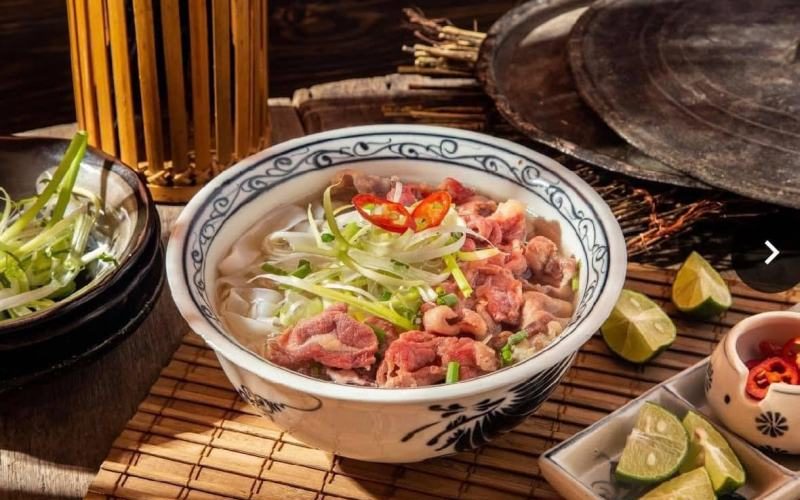
No visit to the capital is complete without diving headfirst into its world-renowned culinary scene. Use this curated Hanoi Old Quarter food checklist to locate the most authentic dishes and legendary local vendors:
1. Phở Bò (Beef Noodle Soup)
Unlike Southern Vietnamese phở, which uses sweet broths and heavy garnishes, Northern phở focuses on simplicity and purity. The broth is clear, savory, and cooked by simmering beef marrow bones for over 10 hours, accented simply with fresh green scallions and a splash of local chili sauce.
- Top Spot: Phở Gia Truyền Bát Đàn (49 Bat Dan Street). Be prepared to wait in line alongside locals for a steaming bowl of Phở Tái (rare beef) or Phở Chín (tender brisket).
2. Bún Chả (Charcoal-Grilled Pork Noodles)
This iconic dish consists of smoky, charcoal-grilled pork patties and slices of pork belly soaking in a warm, sweet-savory fish sauce broth. It is served alongside rice vermicelli noodles, garlic, fresh red chilis, and a mountain of fresh herbs like shiso and mint.
- Top Spot: Bún Chả Đắc Kim (1 Hang Manh Street). Their portions are massive and come paired with crispy, crab-stuffed seafood spring rolls (Nem cua bể).
3. Chả Cá (Turmeric Fish Sizzler)
This specialized dish features chunks of white fish marinated in turmeric, galangal, and ginger. The fish is fried right at your table in a sizzling skillet filled with fresh dill and scallions. You assemble your bowl by combining the flavorful fish, rice noodles, roasted peanuts, and a splash of savory shrimp paste (Mắm tôm) or fish sauce.
- Top Spot: Chả Cá Thăng Long (6B Duong Thanh Street). It offers great service and consistently excellent flavors.
4. Bánh Mì (The Iconic Sandwich)
While you can find baguettes all over Vietnam, Hanoi’s old quarter variations focus on warm, crispy bread loaded with rich liver pâté, pork floss, ham, cucumber, and a signature spicy chili sauce.
- Top Spot: Bánh Mì 25 (25 Hang Ca Street). A favorite spot for international travelers, offering fresh ingredients and vegetarian options.
5. Cà Phê Trứng (Iconic Egg Coffee)
Invented in Hanoi in the 1940s during a wartime milk shortage, this legendary drink features robust espresso topped with a thick, sweet, meringue-like layer made from whisked egg yolks and condensed milk. It tastes like a liquid tiramisu and is an absolute must-try.
- Top Spot: Café Giảng (39 Nguyen Huu Huan Street). This is the original shop founded by the creator of the drink.
Part 6: Hanoi Old Quarter Nightlife and Evening Entertainment
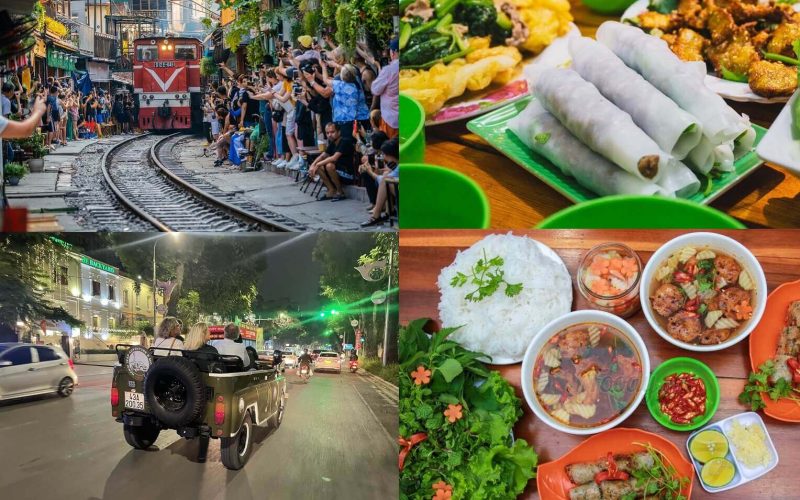
When the sun goes down, the historic district sheds its commercial daytime face and transforms into one of the most energetic nightlife hubs in Southeast Asia. Explore these top options for Hanoi Old Quarter nightlife:
1. Ta Hien Beer Street (Bia Hoi Junction)
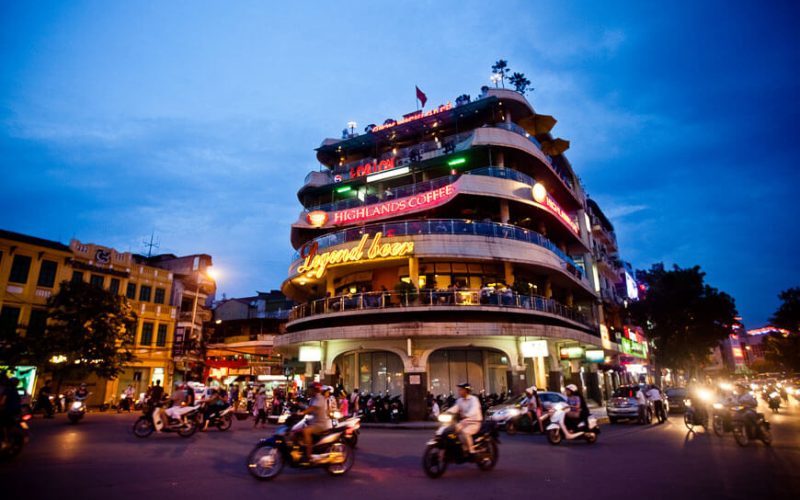
This is the international epicenter of Hanoi’s evening energy. Ta Hien is a narrow street lined with colonial buildings where hundreds of locals and backpackers sit on tiny plastic stools that spill out into the road.
- The Main Attraction: Enjoy glasses of Bia Hơi—a fresh, light, unpasteurized local draft beer brewed daily and delivered each morning, costing less than half a dollar per glass. Pair your beer with fried lemongrass pork rolls (Nem chua rán) or roasted chicken feet.
2. The Weekend Pedestrian Zone
From Friday 7:00 PM to Sunday midnight, the streets surrounding Hoan Kiem Lake and running up through the center of the Old Quarter completely close to motorized traffic. The area transforms into a massive public festival.
- Street Performances: Watch local musicians play traditional acoustic covers, modern dance crews perform under the streetlights, and families participate in traditional Vietnamese folk games (Ô ăn quan, rope skipping) right on the asphalt.
3. Hidden Cocktail Bars and Jazz Lounges
If you prefer a more refined evening, the neighborhood hides an incredible array of speakeasy bars tucked behind unmarked doors or up secret staircases.
- Binh Minh’s Jazz Club: Located right behind the Opera House, this legendary venue features nightly live performances by the finest jazz musicians in Vietnam.
- Speakeasy Bars: Look out for spots like The Alchemist or Gallery Bespoke Cocktail Bar for meticulously crafted drinks inside moody, vintage interiors.
Part 7: Practical Survival and Safety Guide
To ensure your exploration remains safe and enjoyable, keep these practical tips in mind:
Crossing the Road Like a Pro
The sea of motorbikes flowing through the narrow intersections can look terrifying to first-time visitors.
- The Secret: Step off the curb when there is a slight gap, look directly at the oncoming riders, and walk forward at a slow, steady, and predictable pace. Do not stop suddenly, run, or change your speed. The motorbike riders will calculate your trajectory and steer smoothly around you.
Avoiding Common Shopping and Taxi Scams
- Street Fruit Vendors: Vendors carrying balance poles may smile and place the pole on your shoulder for a photo opportunity. Be aware that they will expect you to purchase fruit at heavily inflated prices immediately afterward. Always agree on prices before taking photos.
- Transport Navigation: Never step into a taxi or motorbike taxi without a fixed price or a running meter. To avoid any payment issues, use ride-hailing apps like Grab or Xanh SM for transparent, prepaid fares.
Part 8: Conclusion
The Hanoi Old Quarter is more than just a tourist attraction; it is the living, breathing soul of the capital. Its ability to preserve ancient artisan traditions, century-old colonial architecture, and street food cultures amid rapid modernization makes it a truly unique global destination. By exploring its historic alleys with an open mind, an appetite, and a slow walking pace, you will uncover the true magic of Hanoi.
Contact
- Hotline/ Whatsapp/Line/Viber: +84 986282217
- Email: contact@vietflametours.com
- Fanpage: https://www.facebook.com/vietflametours
- Websites: https://vietflametours.com/