

Hanoi has long established itself as one of the world’s most captivating culinary capitals. Not flashy with extravagant, star-rated restaurants, the true soul of the capital’s cuisine lies on narrow sidewalks and winding, moss-covered alleyways, where the smoke from charcoal stoves blends with the rich aroma of simmered bone broth. For visitors from afar, a Hanoi street food tour is the golden key to unlocking the unique culture, history, and lifestyle of the people of Hanoi.
However, with thousands of eateries and hundreds of tour operators, how do you choose the most authentic dishes? How can you enjoy delicious food, ensure food safety and hygiene, and have a truly immersive cultural experience? This article sharing experiences on Hanoi street food tours will provide you with a comprehensive guide, from ideal itineraries and must-try food maps to invaluable tips for the most sublime culinary journey.
1. Why You Absolutely Must Experience the Hanoi Street Food Tour?
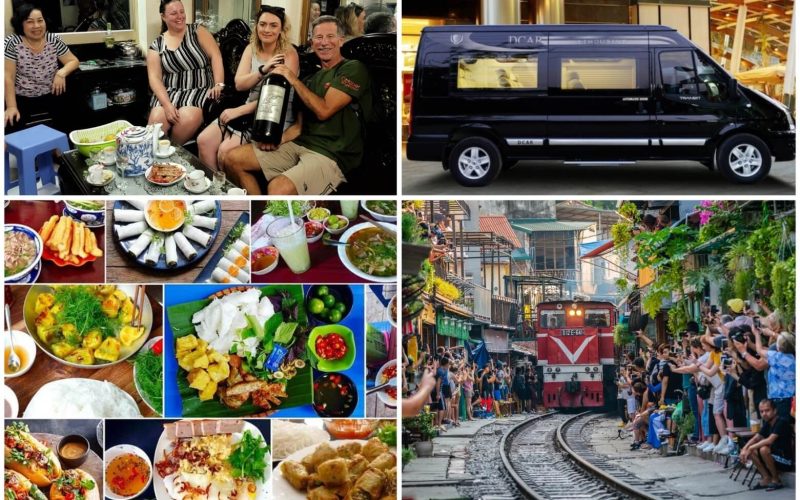
Many travelers wonder, “Why should I book a food tour instead of eating on my own?” In reality, self-discovery is a free experience, but for a complex culinary ecosystem like Hanoi’s street food , a guided tour with a local guide offers superior value:
- Never worry about getting “lost” in this culinary paradise: Hanoi’s Old Quarter is like a labyrinth with 36 streets and thousands of narrow alleys. There are incredibly delicious, family-run eateries hidden deep in dark alleys, with no large signs or appearing on Google Maps. Only those born and raised here know the way in.
- Gain a deep understanding of the cultural stories behind the food: Unlike simply eating and filling your stomach, participating in a Hanoi food tour will allow you to hear about the origins of Pho, why Hanoians love eating Bun Cha for lunch, or the creative birth of the legendary egg coffee during a time when fresh milk was scarce.
- Save time and optimize costs: Instead of spending hours queuing at popular online restaurants (which are sometimes commercialized), your guide will take you to authentic local eateries ( Hanoi local food ), serving local diners with genuine flavors and affordable prices.
2. The Most Popular Forms of Hanoi Street Food Tours Today
Depending on your time, budget, and personal preferences, you can choose one of the following culinary experiences:
2.1. Exploring by Road (Hanoi Walking Tour combined with Food Tour)
This is the most popular and preferred option. You will take a leisurely walk with a guide through the central streets of Hanoi’s Old Quarter .
- Advantages: The slow pace of travel allows you to easily observe the city life, take photos at charming old streets, and easily stop at a roadside eatery when you see an interesting dish. Walking is also a great way to digest food between journeys, allowing you to try more dishes without feeling too full.
- Suitable for: Tourists who enjoy light exercise and want to combine sightseeing and taking photos of the Old Quarter’s architecture.
2.2. Hanoi Night Tour (Culinary Tour at Night)
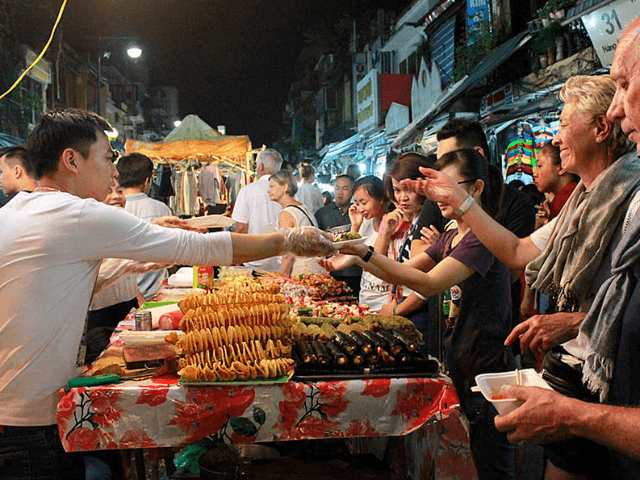
Hanoi at night takes on a completely different beauty: sparkling, magical, and full of energy. A Hanoi night tour focusing on food will take you to the most bustling late-night street food spots.
- Advantages: The weather at night is cool and pleasant. Hanoi’s nighttime food menu is incredibly diverse, ranging from sizzling, fragrant grilled dishes to sweet desserts and pastries. Especially if you visit on a weekend, you can combine your trip with a visit to the vibrant Old Quarter night market ( Hanoi Night Market ).
- Suitable for: Young people who love the lively and vibrant atmosphere of nightlife.
2.3. Food Tour by Motorbike (Vespa Tour / Motorbike Tour)
If you want to expand your exploration beyond the Old Quarter (to areas like West Lake, Ba Dinh District, and Hai Ba Trung District), then a motorbike tour is the best option. You’ll be behind the wheel with local drivers, navigating through narrow alleys and bustling streets.
- Advantages: Faster travel, the ability to explore more distant areas, and the most authentic experience of Vietnam’s unique traffic system.
- Suitable for: Adventure-loving travelers who enjoy thrill-seeking and want to find restaurants outside the usual tourist areas.
3. A Map of Must-Try Dishes on the Hanoi Old Quarter Food Tour
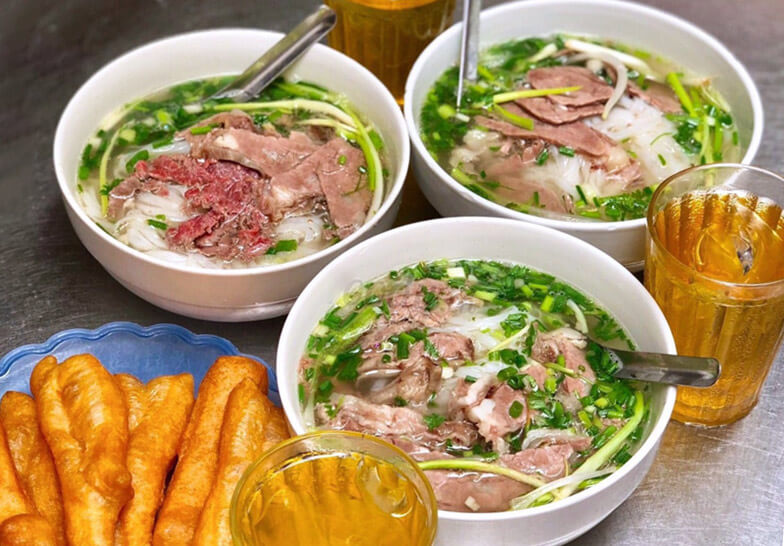
A typical Hanoi Old Quarter food tour usually lasts 3 to 4 hours, during which you’ll get to enjoy 5 to 7 different dishes (including savory, sweet, and drink options). Below is a list of the most essential dishes that you absolutely must have on your menu:
3.1. Hanoi Pho (Beef Pho / Chicken Pho)
No culinary tour in the capital can begin without Pho. Hanoi Pho broth is clear yet deeply sweet thanks to beef bones simmered continuously for 10-12 hours with cinnamon, star anise, and roasted cardamom. The rice noodles must be soft and thin but not mushy, and the beef slices must be thinly cooked to a perfect rare-to-medium rare-to-medium rare-to-medium rare-to-medium rare-to-medium rare-to-medium rare rare-to-medium rare rare rare.
- Traditional Pho restaurants: Pho Thin Bo Ho (Dinh Tien Hoang Street), Pho Ly Quoc Su, Pho Suong (Trung Yen Alley)
3.2. Bun Cha Hanoi
This dish once captivated the late US President Barack Obama with its harmonious blend of flavors. Minced and sliced meat patties are grilled evenly over glowing charcoal, skewered on bamboo sticks, emitting a fragrant, smoky aroma. When eaten, the patties are dipped into a warm, sweet and sour dipping sauce, accompanied by crispy pickled green papaya, vermicelli noodles, and fresh herbs like mint and perilla.
- Traditional Bun Cha restaurants: Dac Kim Bun Cha (Hang Manh Street), Huong Lien Bun Cha (Le Van Huu Street – Obama restaurant), Tuyet Bun Cha (Hang Than Street).
3.3. Pho Cuon (Rolled Pho) and Pho Chien Phong (Fried Pho).
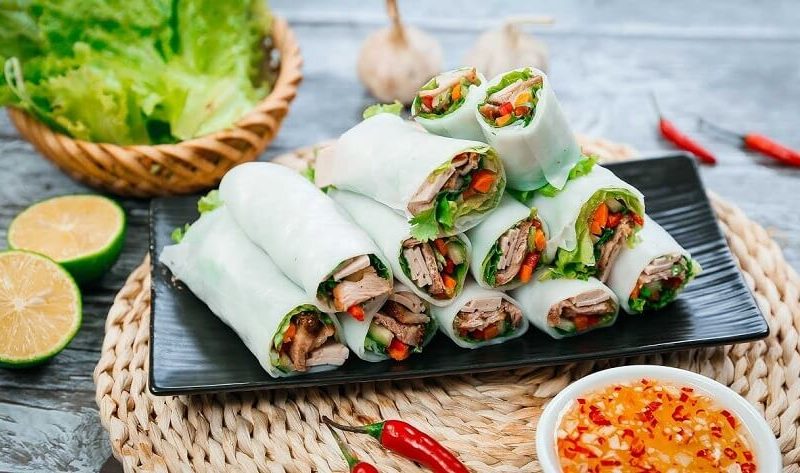
A creative modern twist on traditional Pho. The rice noodles are left in large square sheets, tightly rolled with fragrant stir-fried beef and onions, and lettuce and cilantro. It’s served with a sweet and sour fish sauce dip in garlic and chili.
- Traditional location: The Ngũ Xã Island area (part of the West Lake peninsula, a familiar destination in motorbike tours).
3.4. Old Quarter Bread
Hanoi-style banh mi retains its original, rustic charm with a crispy crust and a perfectly firm interior. The filling is a wonderful blend of rich, homemade pork liver pate, egg butter, char siu (barbecued pork), Vietnamese sausage, shredded pork floss, and a touch of cucumber and cilantro to balance the flavors. A little bit of spicy, homemade chili sauce is the catalyst that makes this dish so iconic.
- Traditional bakeries: Nguyen Sinh Bread (Ly Quoc Su Street), Bread 25 (Hang Ca Street), Mrs. Dan’s Bread (Lo Su Street).
3.5. La Vong Fish Cake
A luxurious and iconic dish of the capital city. Fresh, deboned catfish is cut into square pieces, marinated with turmeric, galangal, and fermented rice paste, then lightly grilled over charcoal. When served, the fish cakes are stir-fried in a hot pan of oil right at the table, along with plenty of scallions and dill. Diners scoop the fish cakes into a bowl, add some vermicelli noodles, roasted peanuts, and a drizzle of frothy, aromatic shrimp paste.
- Traditional locations: La Vong Fish Cake (14 Cha Ca), Anh Vu Fish Cake (Giang Vo), Thang Long Fish Cake (Duong Thanh).
3.6. Pillow-shaped dumplings, fried fermented pork rolls, shrimp cakes
This is a combination of “national” snacks that have captured the hearts of young people in the afternoons and evenings. The golden-brown, crispy-shelled steamed rice dumplings have a generous filling of minced meat, vermicelli, wood ear mushrooms, and quail eggs. The rich, chewy fried fermented pork rolls, dipped in sweet chili sauce, are a perfect accompaniment to a night out strolling the streets.
- Traditional location: Dong Xuan Market alley, Ly Quoc Su steamed rice dumpling shop.
3.7. Egg Coffee – The Perfect Finish
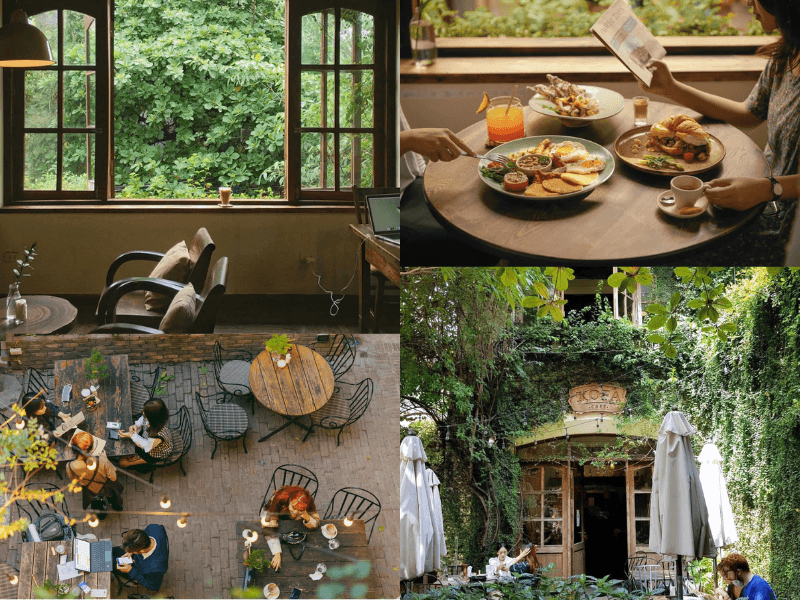
Any Hanoi street food tour usually ends at a quaint café where visitors can enjoy egg coffee. Fresh egg yolks are whipped until smooth, then mixed with honey and condensed milk to create a thick, creamy layer like custard, topped with hot, strong robusta coffee. This seemingly unlikely combination creates a fragrant drink with no fishy smell, warming the heart.
- Traditional locations: Giang Coffee (Nguyen Huu Huan Street – where this dish originated), Dinh Coffee (Dinh Tien Hoang Street).
See More:
4. Comparison Table of Hanoi Food Tour Itinerary Options
To give you an overview and make it easier for you to choose a schedule that suits your timetable, here is a summary table of popular tour times:
| Criteria | Lunch Tour Schedule | Evening Itinerary (Sunset Tour) | Late Night Tour |
|---|---|---|---|
| Time slots | 11:00 – 14:30 | 17:00 – 20:30 | 19:30 – 23:00 |
| Suitable form | Walking tour ( Hanoi walking tour ) | Walking or Motorbike | Motorbike or walking route combined with night market |
| Main dish | Bun cha, Pho bo, Bun thang, Banh cuon nong | Grilled skewers, boiled snails, bread, fish cakes | Grilled food under the bridge, Pho Lieu (Vietnamese noodle soup), Egg coffee. |
| Experiential atmosphere | It was bustling, and I witnessed the hurried lunchtime activities of the local office workers. | Watching the sunset over Ho Guom Lake, the streets lit up with twinkling, romantic lights. | Lively and bustling, perfect for a stroll around Hanoi Night Market on the weekend. |
| Crowding level | Medium | Very crowded | Crowded pedestrian areas |
5. Hard-Earned Experiences from Participating in the Hanoi Street Food Tour
To ensure your street food exploration journey is as smooth, safe, and fulfilling as possible, be sure to save these valuable practical tips below:
5.1. Go with an “Empty Stomach”
This is a crucial golden rule. A standard food tour will take you through at least 5-7 different restaurants. Even though you’ll only eat a small portion (sample size) at each restaurant, the total amount of food consumed is substantial. Therefore, fast from your main meal at least 3-4 hours before the tour to ensure you have enough room in your stomach to fully enjoy every last dish.
5.2. Prepare comfortable clothing and sturdy walking shoes.
If you choose the Hanoi walking tour , you will have to walk continuously for a distance of 3 to 5 km through bumpy streets, with sidewalks sometimes occupied, forcing you to walk in the road.
- Wear comfortable, snug-fitting sneakers, flats, or sandals. Absolutely avoid high heels or clogs if you don’t want to get blisters.
- Wear comfortable, breathable clothing that wicks away sweat. If you’re going on a tour in Hanoi during the winter (November to February), bring a warm jacket because the nights outside are very cold and frosty.
5.3. Be Honest and Open About Allergies and Dietary Restrictions
Before starting your trip, clearly inform your tour guide if you have any dietary restrictions:
- Allergies to peanuts, seafood, shrimp paste, and MSG (monosodium glutamate).
- You are a vegetarian or vegan, or you cannot eat pork or beef for religious reasons.
- Hanoi residents are accustomed to using shrimp paste and MSG in many dishes to enhance the flavor. If the tour guide is aware of this beforehand, they will proactively ask the restaurant owner to adjust the ingredients or replace them with an equivalent dish that suits your taste.
5.4. Food Safety and Hygiene Issues
Street food often comes with concerns about “sensitive stomachs” (Traveler’s diarrhea). To minimize this risk:
- Choose restaurants with long queues, ingredients that are quickly consumed and constantly updated, and avoid quiet restaurants with food that has been sitting around for a long time.
- Always use a clean paper towel to wipe down chopsticks and spoons before eating.
- Avoid drinking iced water (crushed ice cubes) at roadside tea stalls if you have a sensitive stomach; instead, use bottled water with clear labels.
5.5. Bring Small Denomination Cash
Although most street vendors and small eateries in Hanoi now support QR code bank transfers, 3G/4G network connectivity is often severely congested during peak nighttime hours in Hanoi’s Old Quarter . Having a wallet full of small denominations of 10,000 VND, 20,000 VND, and 50,000 VND will allow for quick and convenient payments without wasting time waiting for the network to load or for the vendor to find change.
6. Suggested Self-Guided Itinerary for a Perfect One-Night Exploring Hanoi Street Food
If you prefer not to book a tour through an agency and instead want to create your own Hanoi night food tour with your close friends, here is a detailed, hourly itinerary designed for optimal results:
- 17:00 – 17:45: Start with a light appetizer: Dried Beef Salad on Hoan Kiem Street . Near Hoan Kiem Lake, head to Dinh Tien Hoang Street or Ham Ca Map Street to enjoy a plate of dried beef salad with shredded green papaya, drizzled with a sweet, sour, and spicy vinegar dressing. This refreshing dish will stimulate your taste buds.
- 6:00 PM – 7:15 PM: Enjoy the traditional Bun Cha (grilled pork with vermicelli) main course at Hang Manh Street. Walk deeper into the Old Quarter towards Hang Manh Street. Order a steaming hot bowl of Bun Cha with crab spring rolls. The sizzling sound of the oil and the aroma from the charcoal grill at the street corner will surely make it hard for you to resist.
- 7:30 PM – 8:30 PM: Stroll through the Old Quarter Night Market (Hanoi Night Market). After refueling with your main course, it’s time to leisurely walk along the pedestrian streets of Hang Dao – Hang Ngang – Hang Duong. While strolling and digesting your meal, you can admire the brightly lit souvenir stalls and immerse yourself in the bustling crowds of the Hanoi weekend night market .
- 8:45 PM – 9:45 PM: Enjoy a bustling street food experience at Hang Buom Food Street . Turn off the main street from the night market onto Hang Buom Street. Here, try some charcoal-grilled skewers, a small steamed bun, or a refreshing glass of mixed fruit salad. Don’t forget to listen to the melodious acoustic tunes from the street bands performing at the nearby intersections.
- 22:00 – 23:00: End your journey with a warm cup of egg coffee on Nguyen Huu Huan Street. Follow the old streets towards Nguyen Huu Huan Street – Hanoi’s coffee capital. Climb to the second floor of an old house, order a hot cup of egg coffee, slowly spoon each layer of rich egg cream, and watch the peaceful Hanoi streets gradually turn into the late night. Your self-guided Hanoi street food tour officially concludes in the most perfect way.
Conclude
Hanoi street food tour is more than just a culinary adventure; it’s a profound cultural journey that connects you to the heart and soul of the thousand-year-old capital. Every dish you try, every alley you walk through, every story you hear—these are precious pieces that make up an unforgettable travel experience. Whether you choose to stroll leisurely, ride a motorbike on an adventure, or explore on your own, the rich flavors and hospitality of Hanoi’s people will surely leave a sweet aftertaste that will linger with you for years to come.
Contact
- Hotline/ Whatsapp/Line/Viber: +84 986282217
- Email: contact@vietflametours.com
- Fanpage: https://www.facebook.com/vietflametours
- Websites: https://vietflametours.com/