


When planning a trip to Vietnam’s bustling capital, the historic heart of the city—the Hanoi Old Quarter—is undoubtedly the place to be. With its labyrinth of 36 ancient streets, French colonial architecture, and vibrant street food culture, this area offers an sensory overload in the best way possible.
However, as tourism evolves in 2026, travelers are facing a crucial dilemma: Should you book a standardized boutique hotel or choose a Hanoi Old Quarter homestay over a hotel?
While hotels offer predictable luxury, choosing a homestay provides an immersive window into real Hanoian life. In this comprehensive guide, we will dive deep into why a homestay beats a hotel stay, analyze the top 10 homestays in Hanoi Old Quarter, and give you actionable tips to choose your perfect urban sanctuary.
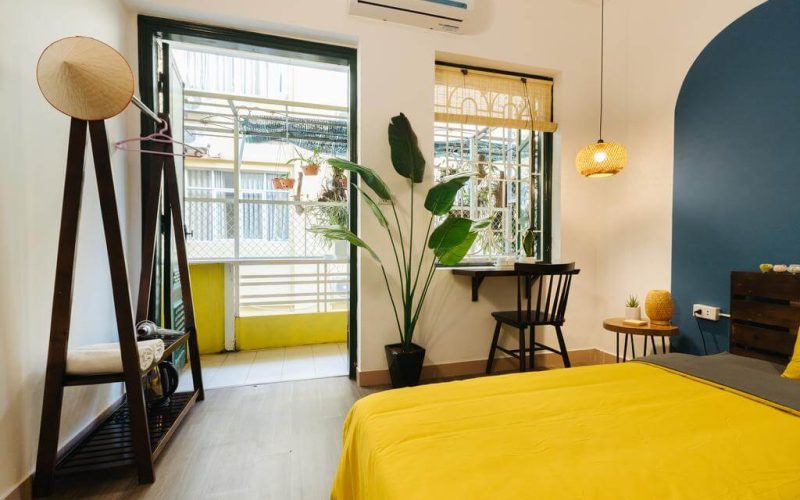
Part 1: Why Choose A Hanoi Old Quarter Homestay Over A Hotel?
Before revealing our curated list, let’s analyze why global travelers are shifting their preferences toward local homestays rather than traditional hotels when staying in Hanoi’s historic center.
+-----------------------------------+-----------------------------------+

|     Hanoi Old Quarter Homestay    |         Standard Hotel            |
+-----------------------------------+-----------------------------------+

| - Deep architectural character     | - Standardized modern layouts     |
| - Inside hidden local alleys      | - Located on main noisy roads     |
| - Personalized local host tips    | - Commercial concierge service    |
| - High cost-to-value ratio        | - Expensive hidden fees           |
| - Direct community support        | - Corporate revenue model         |
+-----------------------------------+-----------------------------------+
1. Architectural Authenticity And Historical Charm
Most hotels in the Old Quarter are “tube houses” designed to maximize vertical space, often resulting in narrow rooms and repetitive modern decor.
In contrast, choosing a Hanoi Old Quarter homestay over a hotel allows you to live inside architectural history:
- French Colonial Villas: High ceilings, arched windows, and patterned mosaic floor tiles from the late 19th century.
- Traditional Vietnamese Courtyards: Hidden inner courtyards that filter natural light and collect rainwater, offering a peaceful oasis away from traffic.
- Vintage Indochine Esthetics: Handpicked wooden furniture, local artwork, and retro textiles that reflect Vietnam’s rich design heritage.
2. Unrivaled Access To Hidden Local Life
Hotels usually occupy prominent storefronts on busy streets. While convenient, this isolates you from the authentic rhythm of the city.
Staying in a homestay means navigating the iconic ngõ (narrow alleys) of Hanoi. You will sleep right next to multi-generational local families. Wake up to the distant sound of street vendors, smell the morning noodle broth being prepared next door, and witness local life completely unfiltered by commercial tourism.
3. Hyper-Personalized Local Expertise
A hotel receptionist will likely hand you a printed tourist map or recommend a commercial tour operator with commission ties.
A homestay host, however, acts as your local friend. They will show you:
- The exact alleyway to find the best Bún Chả hidden from mainstream tourists.
- The secret cafes where locals drink egg coffee (Cà phê trứng) away from crowds.
- The best time to walk around Hoan Kiem Lake to experience local morning exercises.
4. Economic Value and Sustainable Tourism
Value for money is a massive factor. For the price of a small windowless budget hotel room, a homestay can provide an entire beautifully decorated studio apartment with a private balcony, kitchen facilities, and laundry access. Furthermore, your booking fee directly supports local families and independent artisans rather than international hotel chains.
Part 2: Top 10 Hanoi Old Quarter Homestays Over Traditional Hotels
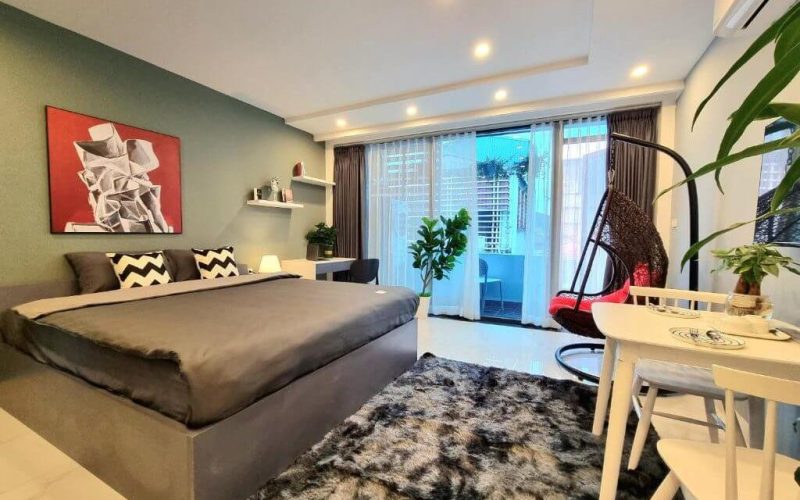
Here is our definitive, curated list of the top 10 homestays in the Hanoi Old Quarter that offer an exceptional alternative to traditional hotel lodging.
1. Joy House – The Indochine Secret Loft
- Address: Hang Bac Street, Hoan Kiem District, Hanoi
- Vibe: Retro Indochine meets industrial chic
- Best For: Couples and solo creative travelers
Nestled deep inside an alley off Hang Bac Street—famous for silver making—Joy House is a masterclass in interior design. This loft seamlessly blends exposed brick walls with iconic yellow colonial paint and emerald green accents.
Why it beats a hotel:
Unlike a hotel room with concrete walls, Joy House features a massive skylight that floods the living space with natural light. The hosts have curated a collection of vintage Vietnamese vinyl records and a record player, allowing you to curate your own retro soundtrack while overlooking a quiet interior courtyard.
2. Momento Homestay – Living History Rooms
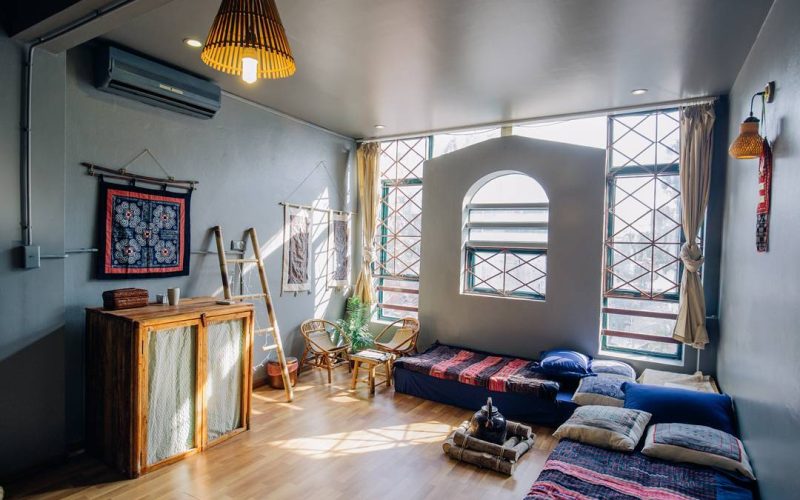
- Address: Trang Thi Street, Hoan Kiem District, Hanoi
- Vibe: A time capsule of 20th-century Vietnam
- Best For: History buffs and culture enthusiasts
Momento is unique because every single room represents a distinct era or region of Vietnam. You can choose to stay in the “Hanoi 1990s Room,” the “Sapa Ethnic Room,” or the “Hoi An Ancient Room.”
Why it beats a hotel:
A hotel room provides comfort but lacks a narrative. Momento educates its guests through design. The Hanoi 1990s room features authentic rotary phones, old thermos flasks, and cassette players that local Hanoians grew up with during the subsidy era (Thời bao cấp). It is an educational museum experience you can sleep in.
3. Túc Tắc Homestay – The Bohemian Rooftop Oasis
- Address: Ngo Huyen Alley, Hoan Kiem District, Hanoi
- Vibe: Cozy, green, bohemian, and relaxing
- Best For: Backpacker couples and digital nomads
Located right next to the St. Joseph’s Cathedral, Ngo Huyen is a vibrant alleyway. Túc Tắc Homestay occupies the upper floors of a traditional house, culminating in a spectacular rooftop room surrounded by lush potted plants, macrame hangings, and fairy lights.
Why it beats a hotel:
Hotel rooftops are usually restricted to expensive commercial sky-bars. At Túc Tắc, the rooftop is your private living room. You can drink a cold local Beer Hanoi while listening to the church bells ring out across the terracotta roofs of the Old Quarter without paying a premium price.
4. Satori Homestay – Minimalist Urban Sanctuary
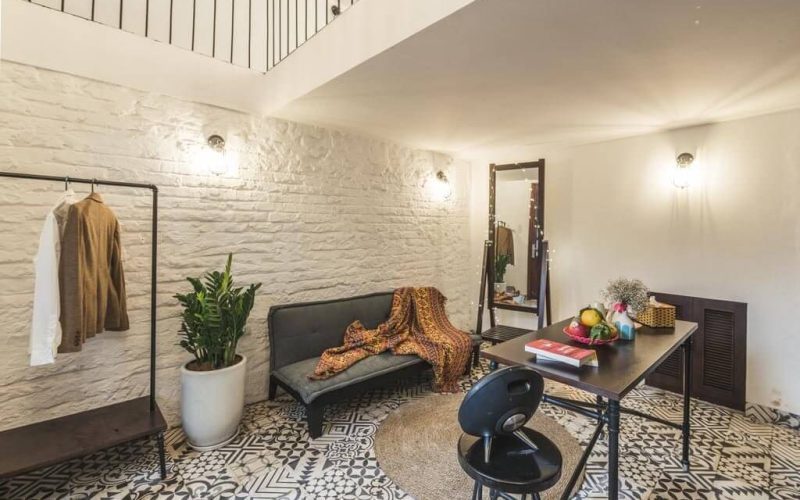
- Address: Hang Hang Street, Hoan Kiem District, Hanoi
- Vibe: Scandinavian minimalism with a Vietnamese twist
- Best For: Minimalists and business travelers looking for peace
If the chaos of Hanoi’s traffic leaves you feeling overwhelmed, Satori is the perfect antidote. The owners have applied a strict minimalist philosophy using light pinewood, soft linen fabrics, and neutral tones, accented by traditional ceramic pottery from the nearby Bat Trang village.
Why it beats a hotel:
Most modern minimalist hotels feel sterile and corporate. Satori retains a warm, human touch. The shared kitchen is fully stocked with organic teas, local coffee beans, and a manual grinder, encouraging slow mornings and mindful living.
5. Veque Villa – The Grand French Colonial Estate
- Address: Ngo Tram Street, Hoan Kiem District, Hanoi
- Vibe: Regal colonial elegance
- Best For: Families and large groups
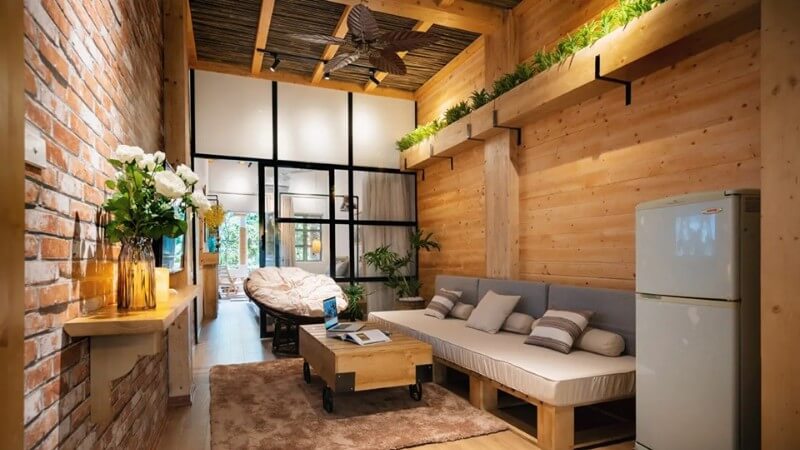
Veque Villa is an expansive property built inside a restored French colonial villa. It retains the original iron wrap-around balconies, massive wooden shutter windows, and soaring 4-meter-high ceilings.
Why it beats a hotel:
To get this level of historical architecture in a hotel, you would have to pay hundreds of dollars per night at ultra-luxury colonial hotels. Veque Villa offers that exact historic grandeur at a fraction of the cost, complete with a shared garden courtyard where kids can safely play.
6. Le Bleu Art House – The Creative’s Sanctuary
- Address: Tran Hung Dao Street (Edge of Old Quarter), Hanoi
- Vibe: Artistic, whimsical, and deeply soulful
- Best For: Artists, writers, and solo dreamers
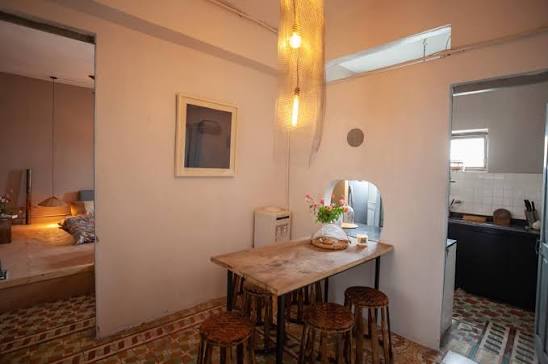
Le Bleu is one of the pioneer homestay brands in Vietnam. This specific location is an apartment tucked away on the second floor of an old compound. The walls are adorned with original paintings by local art students, and the furniture is intentionally mismatched to create a cozy, lived-in feel.
Why it beats a hotel:
Hotels are designed to be generic so they don’t offend anyone; Le Bleu is designed to inspire. It features a stunning sunroom balcony packed with bookshelves, painting supplies, and comfortable cushions—making it an ideal space to write your travel journal or read a book.
7. Tre Lodge – The Bamboo Sustainable Suite
- Address: Dao Duy Tu Street, Hoan Kiem District, Hanoi
- Vibe: Eco-friendly, organic, and earthy
- Best For: Eco-conscious travelers
Tre Lodge centers its design around sustainable Vietnamese materials: bamboo, rattan, seagrass, and rammed earth tiles. The bed frames, closets, and light fixtures are hand-woven by artisans from traditional craft villages just outside Hanoi.
Why it beats a hotel:
Standard hotels rely heavily on plastic amenities, synthetic carpets, and heavy air conditioning. Tre Lodge champions sustainability with zero-single-use plastics, energy-efficient natural ventilation design, and organic cotton sheets that feel incredible against the skin.
8. Hanoi House Homestay – Overlooking The Cathedral
- Address: Ly Quoc Su Street, Hoan Kiem District, Hanoi
- Vibe: High-exposure urban loft
- Best For: Photographers and Instagram content creators
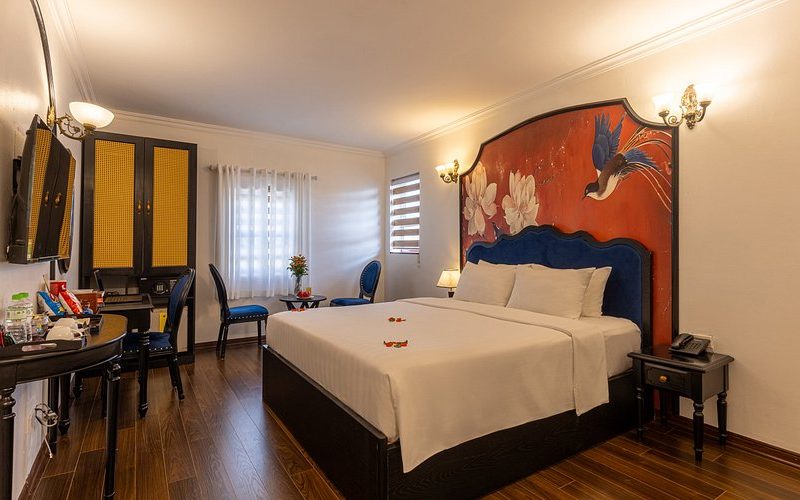
Situated on the iconic Ly Quoc Su street, this homestay features a highly photographed French balcony that looks directly onto the Gothic Revival facade of St. Joseph’s Cathedral.
Why it beats a hotel:
While nearby boutique hotels charge premium rates for a “Cathedral View” that is often blocked by other buildings, Hanoi House places you directly at eye-level with history. You can open your double doors, sit on the stone ledge, and watch the street life unfold directly beneath your feet.
9. Maze Homestay – The Architecture Student’s Dream
- Address: Hang Buom Street, Hoan Kiem District, Hanoi
- Vibe: Avant-garde, multi-level, and geometric
- Best For: Young travelers and design aficionados
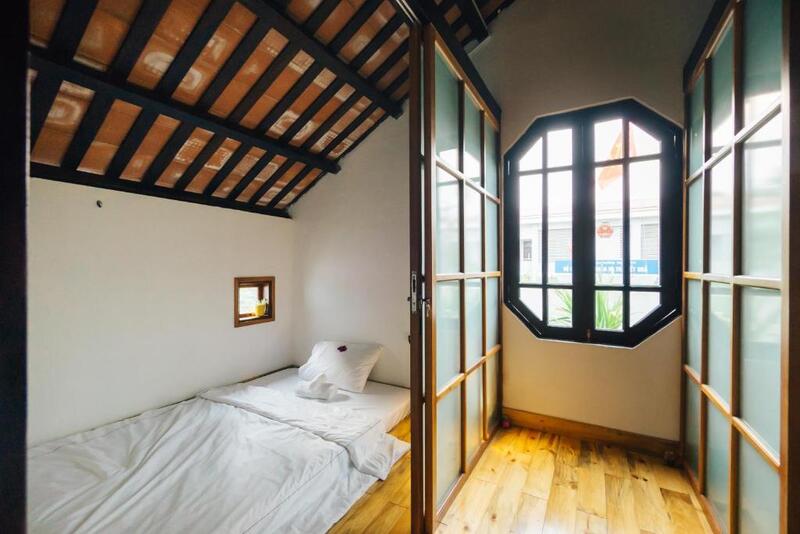
Located on Hang Buom Street, Maze Homestay uses split-level architecture to turn a traditional deep tube house into a fascinating spatial puzzle. It uses metal mesh staircases, floating lofts, and indoor plants to create distinct zones within a single compact structure.
Why it beats a hotel:
Hotel rooms are predictable boxes. Maze Homestay treats space as art. Exploring the different levels, reading nooks, and hidden study corners within the property is an adventure in itself, making it feel like a private architectural playground.
10. CucKu Homestay – The Local Family Experience
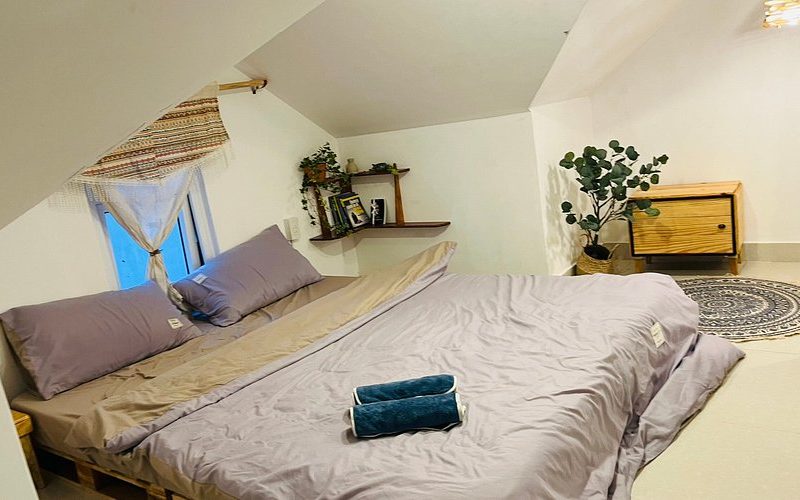
- Address: Phung Hung Street, Hoan Kiem District, Hanoi
- Vibe: Warm, domestic, and incredibly welcoming
- Best For: Solo travelers wanting a deep cultural connection
CucKu Homestay is run by a retired Hanoian couple who live on the ground floor while renting out beautifully renovated private studios upstairs. The property is decorated with real family heirlooms, black-and-white photos of Hanoi from the 1970s, and handmade embroidery.
Why it beats a hotel:
You cannot buy genuine hospitality at a hotel front desk. At CucKu, the hosts frequently invite guests to join them for morning market trips, teach them how to brew authentic Vietnamese tea, and treat them like extended family members. It offers absolute safety and profound cultural connection for solo travelers.
Part 3: Deep-Dive Comparison: Homestay vs. Hotel in Hanoi Old Quarter
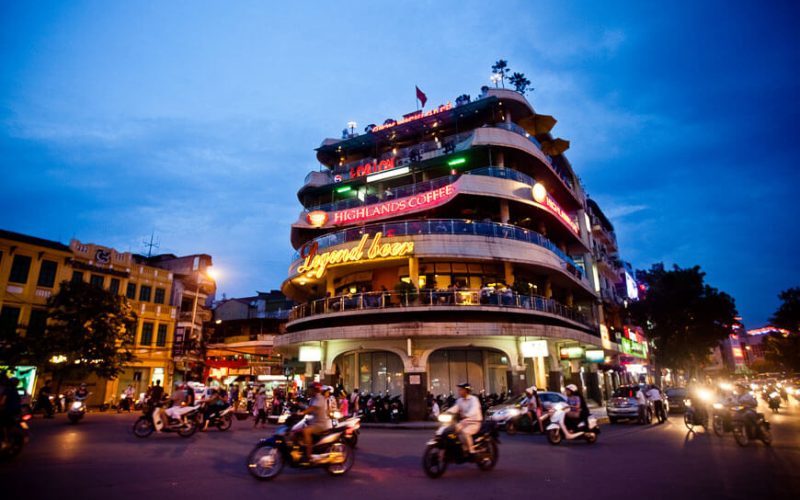
To truly understand why a Hanoi Old Quarter homestay over a hotel is the superior choice for modern travelers, let’s analyze critical metrics: Cost, Space, Amenities, Noise Control, and Cultural Connection.
1. Cost Efficiency and Space Allocation
In the Old Quarter, space is real estate gold. Standard boutique hotels must allocate massive square footage to lobbies, elevators, employee break rooms, and reception desks. This means individual hotel rooms are often small (typically 15 to 22 square meters) for a standard mid-range price.
Average Space Allocation Per $50 USD/Night:
+-----------------------------------+-----------------------------------+

| Boutique Hotel Room (18 sqm)      | Homestay Studio (40 sqm)          |
| [Bed] [Small Desk] [Bathroom]     | [Bed] [Kitchenette] [Living Area] |
|                                   | [Private Balcony] [Bathroom]      |
+-----------------------------------+-----------------------------------+
Homestays don’t have large commercial lobbies. Therefore, almost 100% of your money goes directly toward your actual living space. A $50/night homestay often yields a 40-square-meter studio complete with distinct zones for sleeping, lounging, and cooking.
2. Food Culture and Kitchen Facilities
Hanoi is a world-capital of street food, but sometimes you want a quiet breakfast or need to accommodate dietary restrictions.
- The Hotel Experience: You are forced to eat their breakfast buffet (often a lukewarm mix of Western eggs and basic Pho) between strict hours (6:30 AM – 9:30 AM).
- The Homestay Experience: You have a fully operational private kitchen or access to a communal one. You can visit the local wet markets early in the morning, buy fresh tropical fruits (longan, rambutan, mango), sample local herbs, and cook at your own pace.
3. Dealing with the Noise of the Old Quarter
Hanoi is famously loud—motorbikes honking, street announcements, and bustling crowds are part of its charm. However, sleeping through it requires strategic architecture.
- Hotels: Built directly on main streets to ensure high visibility. Even with double-glazed windows, low-frequency traffic rumbles can penetrate the rooms.
- Homestays: Frequently tucked 2 or 3 layers deep inside local alleys (ngõ). These narrow brick alleys act as natural sound barriers, deflecting the roar of street traffic and providing surprisingly quiet sleeping environments.
Part 4: Step-by-Step Guide To Booking The Perfect Hanoi Homestay
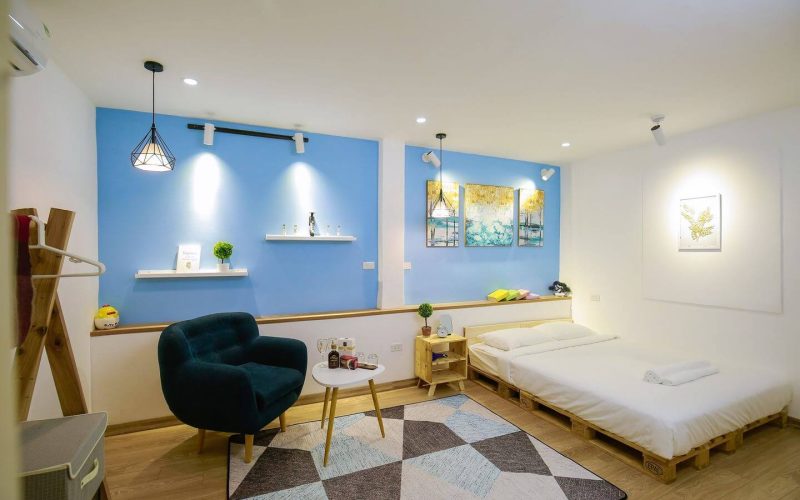
Homestays offer incredible rewards, but because they are independently run, booking one requires more diligence than clicking “reserve” on a corporate hotel website. Follow this step-by-step checklist to ensure an optimal experience.
Step 1: Analyze the Alleyway Access (The “Ngõ” Factor)
Many authentic homestays require walking through narrow alleys.
- If you travel with massive hard-shell suitcases: Look for listings that specify “direct street access” or “wide alley entrance.”
- If you travel with a backpack: Embrace the deepest alleys for maximum quietness and authentic charm.
- Pro-Tip: Always ask the host for an alley walkthrough video before arrival if you have mobility concerns.
Alley Width Classifications:

- Ngõ Ô Tô: Car accessible (Wide, busier)
- Ngõ Xe Máy: Motorbike accessible (Standard, lively)
- Ngõ Bộ: Pedestrian only (Very narrow, ultra-quiet)
Step 2: Verify Bathroom Privacy and Setup
Unlike hotels where every room is an ensuite, some historic homestays feature external private bathrooms or shared facilities to preserve the building’s structural integrity.
- Carefully read the listing description. Look for the phrase “Private Ensuite Bathroom” if you do not want to walk across a hallway in your pajamas.
- Check the hot water system. Look for homestays utilizing continuous electric water heaters rather than small solar tanks, ensuring hot water during winter months (November to February).
Step 3: Check Air Conditioning and Insulation Performance
Hanoi summers (May to September) are intensely hot and humid, while winters can get surprisingly cold.
- Ensure the homestay listing explicitly includes modern inverter air conditioning.
- Look at review photos to check if the windows close securely to maintain room temperature and keep out seasonal insects.
Step 4: Communicate Direct With Your Host Post-Booking
The true magic of choosing a Hanoi Old Quarter homestay over a hotel unfolds through clear communication. Once booked, message your host regarding:
- Airport Pick-up Services: Homestay hosts can arrange private drivers who know exactly where the hidden alley entrances are, saving you from getting lost with an uninformed taxi driver.
- Self-Check-In Procedures: Many homestays use smart lock keypads. Secure the lockbox codes and clear photo directions before boarding your flight.
Part 5: Essential Tips For Packing And Staying In An Urban Homestay
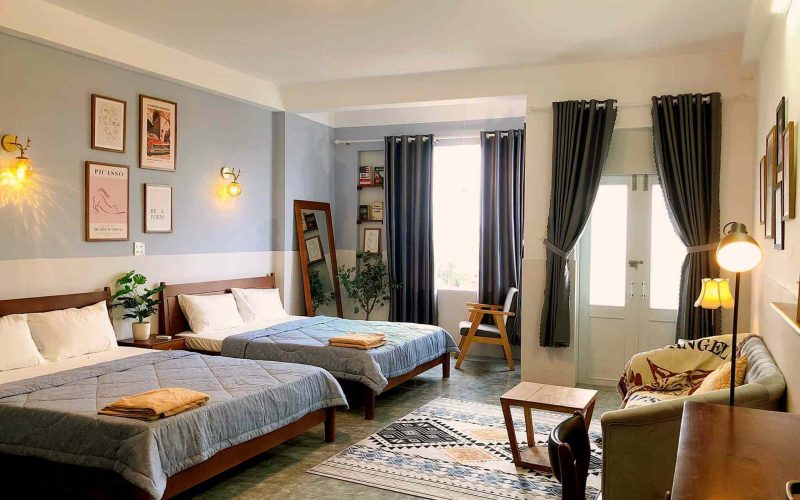
To make your stay seamless, you need to adjust your mindset from a passive hotel guest to an active, respectful community resident.
1. Packing Essentials for a Homestay
- Slip-On Shoes: It is custom to remove shoes at the entrance of Vietnamese homes. Wearing slip-on sneakers or sandals will save you time and hassle.
- Earplugs: While alleys block traffic noise, local neighborhoods wake up early. If you want to sleep in past 6:30 AM without hearing the morning market chatter, earplugs are your best friend.
- A Compact Flashlight: Handy for navigating deeply recessed alleys at midnight after enjoying Hanoi’s nightlife.
2. Homestay Etiquette and Cultural Respect
- Mind the Curfew: Some shared homestays close their main alley gates at midnight for security. Always confirm the late-night entry procedure with your host if you plan to stay out late.
- Keep Noise Low in Alleys: Sound echoes loudly in narrow stone corridors. When walking back to your homestay at night, speak in low tones to respect your sleeping neighbors.
- Eco-Mindful Consumption: Electricity is expensive in Vietnam. Turn off the air conditioning and lights whenever you step out to explore the city.
Part 6: Summary Table – Quick Booking Reference
To help you make an immediate, confident decision, here is a quick reference table matching your travel style to the ideal Hanoi Old Quarter homestay:
+------------------------+--------------------------+---------------------------------+

| Homestay Name          | Target Traveler Style    | Standout Killer Feature         |
+------------------------+--------------------------+---------------------------------+

| 1. Joy House           | Couples / Designers      | Historic Indochine vinyl setup  |
| 2. Momento Homestay    | History Buffs            | Multi-era themed historic rooms |
| 3. Túc Tắc Homestay    | Backpackers / Youth      | Rooftop garden near Cathedral   |
| 4. Satori Homestay     | Minimalists              | Pinewood design / slow cafe bar |
| 5. Veque Villa         | Families / Groups        | Authentic French colonial space |
| 6. Le Bleu Art House   | Writers / Solo Artists   | Sunroom balcony with books      |
| 7. Tre Lodge           | Eco-conscious Travelers  | Local hand-woven bamboo decor   |
| 8. Hanoi House         | Creators / Photographers | Eye-level views of St. Joseph   |
| 9. Maze Homestay       | Young Urbanites          | Creative split-level layout     |
| 10. CucKu Homestay     | Immersion Seekers        | Warm local family hosting       |
+------------------------+--------------------------+---------------------------------+
Conclusion: Make Your Hanoi Journey Unforgettable
Hanoi is not a city meant to be observed through a sterile glass window from a high-rise corporate hotel. It is a city that demands to be felt, smelled, heard, and lived.
Choosing a Hanoi Old Quarter homestay over a hotel bridges the gap between being a mere tourist and a mindful traveler. It trades predictable, generic hospitality for real human connection, rich architectural stories, and unforgettable local memories. Whether you choose the artistic nooks of Le Bleu, the majestic colonial halls of Veque Villa, or the deep alleyway tranquility of Joy House, your stay will be anchored in authentic Hanoian culture.
Skip the standard front desk on your next adventure. Step down into the vibrant alleyways, open the door to a local home, and let the real Hanoi welcome you in.
FAQ – Frequently Asked Questions About Hanoi Homestays
Are homestays in Hanoi Old Quarter safe for solo female travelers?
Yes, absolutely. The homestays listed are located within tight-knit local communities where neighbors look out for one another. Additionally, most use modern smart-lock entry systems and secure exterior gates. Choosing a family-hosted option like CucKu Homestay provides an extra layer of local safety and guidance.
Do homestay hosts speak English?
The vast majority of urban homestay hosts in Hanoi are young, tech-savvy entrepreneurs or educated professionals who speak excellent English. They are highly responsive via messaging platforms like WhatsApp, Airbnb, or Zalo.
Can I register my stay with the local police through a homestay?
Yes. Legitimate homestays are registered businesses. Your host will ask for a photo of your passport and visa page upon check-in to complete the mandatory guest registration with the local ward authorities, exactly like a standard hotel.
See more
Contact
- Hotline/ Whatsapp/Line/Viber: +84 986282217
- Email: contact@vietflametours.com
- Fanpage: https://www.facebook.com/vietflametours
- Websites: https://vietflametours.com/